Why Sustainable Activist Wear Matters for Real Change
Clothing as a Statement, Not a Commodity
There is a particular feeling when you pull on a shirt that says something you actually believe. It is not just fabric. It becomes a kind of armor, a quiet signal to the world that you stand for something. For years, I bought those shirts from fast-fashion sites or at rallies where a vendor sold cheap cotton tees printed with slogans. They felt good in the moment, but after a few washes the print cracked, the fabric sagged, and I realized I had just contributed to the very system I was protesting against. That is when I started looking for something different: sustainable activist wear.
The concept is simple but radical. Instead of treating a protest shirt as a disposable item, you choose something made to last, from materials that do not harm the planet or the people who made it. This is not about being a perfect consumer. It is about aligning your actions with your values, even in something as small as a T-shirt. Over the past few years, I have tested dozens of brands and fabrics. Some worked, some did not. Here is what I have learned about finding clothing that matches your politics without trashing the earth.
What Makes Activist Wear Sustainable?
Sustainable activist wear is not a marketing gimmick. It is a real approach to garment design and production that considers the full lifecycle of the item. That means starting with the fiber. Organic cotton is a common choice because it uses less water and no synthetic pesticides compared to conventional cotton. It feels softer, too, and lasts longer. But organic cotton alone is not enough. You also need to look at the dyes, the stitching, the factory conditions, and what happens when the shirt finally wears out.
Recycled polyester is another material that shows up a lot in this space. It takes plastic bottles or discarded fishing nets and turns them into fabric. Brands like Patagonia and Outerknown have done this well for years. The fabric is durable, moisture-wicking, and keeps waste out of landfills. But there is a trade-off: washing recycled polyester releases microplastics into waterways. So even the best materials come with complications. The point is to choose the option that does the least harm and supports the most good.
Brands That Walk the Walk
Several companies have built their entire business model around ethical production and activist messaging. Patagonia is probably the most famous example. They have been using organic cotton and recycled polyester for decades, and they donate one percent of sales to grassroots environmental groups. They also have a repair program and a secondhand market called Worn Wear. That is a powerful model: they want you to buy less, not more.
Cotopaxi takes a similar approach with their colorful jackets and bags made from deadstock fabric. They are a B Corp and climate-neutral certified. Their mission is to alleviate poverty through outdoor gear, and they back it up with real donations. Then there is Outerknown, founded by surfer Kelly Slater, which focuses on Fair Trade certification and using sustainable fabric like recycled nylon and organic cotton. They also have a take-back program for old clothes.
For women, Reformation has been a leader in sustainable fashion for years. They use deadstock fabrics and recycled materials, and they publish their carbon footprint for every garment. Girlfriend Collective makes activewear and basics from recycled water bottles and offers a recycling program for their own products. Tentree plants ten trees for every item sold, and they use organic cotton and hemp. Their partnership with One Tree Planted ensures the trees go where they are most needed.
What all these brands share is a commitment to transparency. They publish their supply chain details, their factory audits, and their environmental impact. That is the opposite of fast fashion, where the cost is hidden in pollution and labor exploitation. When you buy from them, you are paying for more than the shirt. You are paying for the system that made it possible.
The Art of Activist Design
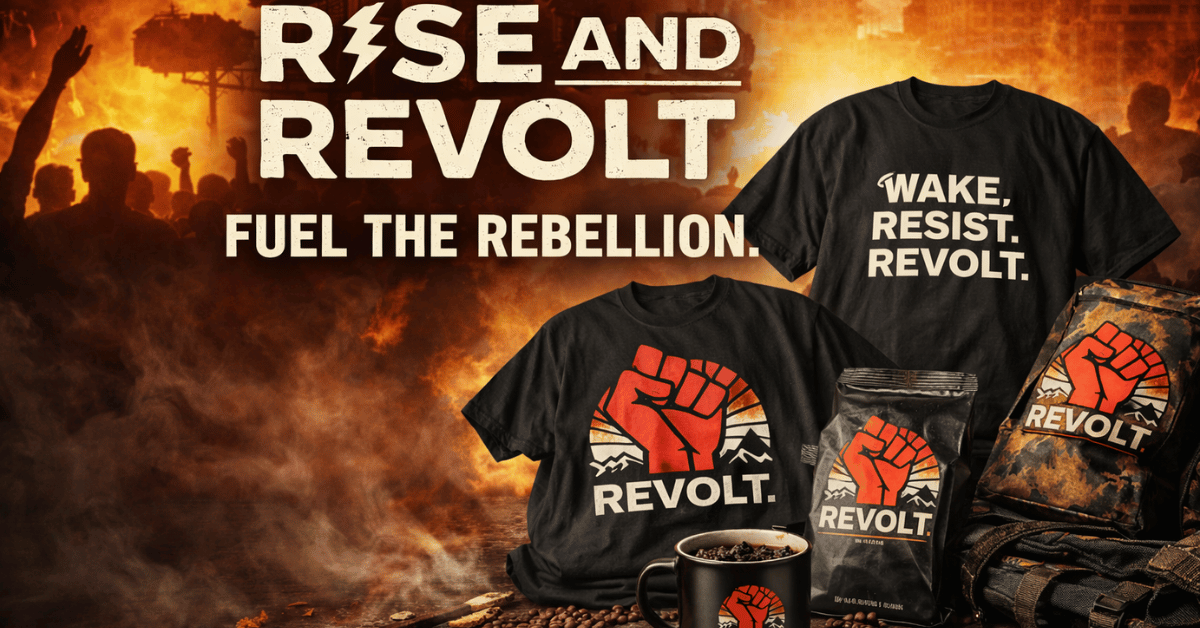
A great protest shirt does not just say something. It says it with style, humor, and clarity. Activist art on clothing is a tradition that goes back decades, from the black power fist to the AIDS quilt to the pussy hat. But the best designs are not just slogans. They are conversations. A well-designed shirt can make someone stop, read, and think. That is the power of visual messaging in public space.
I have seen shirts that use satire to expose hypocrisy, or that reframe an issue in a way that disarms hostility. The design matters because it determines whether the message lands or bounces off. A shirt that is too aggressive can alienate. One that is too subtle can be missed entirely. The sweet spot is a design that invites curiosity, that makes people ask questions instead of turning away.
That is where sustainable activist wear really shines. When you know the shirt was made ethically, the message carries more weight. You are not just talking about justice; you are practicing it in the purchase itself. That alignment between means and ends is what makes the clothing feel authentic.
Practical Advice for Building a Wardrobe
If you are new to this space, do not try to replace everything at once. Start with one or two pieces that really speak to you. Wear them often. Wash them in cold water and hang them to dry. That alone extends the life of the garment and reduces energy use. When the print starts to fade, consider patching it or turning it into a rag rather than throwing it away.
Here are a few things to look for when shopping:
- Check for Fair Trade certification or B Corp status. These are third-party verifications that the factory pays fair wages and treats workers well.
- Look at the fiber content. Organic cotton, hemp, Tencel, and recycled polyester are all better than virgin synthetics or conventional cotton.
- Support brands that offer repair or take-back programs. That is a sign they are thinking about the full lifecycle of the garment.
Also, consider the secondhand market. Sites like ThredUp, Depop, and even eBay have tons of activist-themed clothing from past campaigns. Buying used is the most sustainable option because it keeps clothes out of landfills and does not require new production. I have found some of my favorite pieces that way, including a vintage Patagonia fleece that still looks great after twenty years.
Slow Fashion as Political Action
The slow fashion movement is not just about aesthetics. It is a rejection of the disposable culture that fuels climate change and labor abuse. When you choose sustainable activist wear, you are voting with your wallet for a different kind of economy. One where workers are paid fairly, where materials are sourced responsibly, and where clothes are built to last.
That is not a small thing. The fashion industry is one of the biggest polluters on the planet, second only to oil. By buying less and buying better, you reduce your personal footprint and send a signal to the market that there is demand for ethical options. It is a form of protest in itself, a quiet but persistent refusal to participate in the destruction of the planet and the exploitation of people.
I have been doing this for about five years now. My closet is smaller, but every piece has a story. I know who made my shirts, what they are made of, and where they will go when I am done with them. That knowledge makes me feel more connected to the world, not less. And when I wear one of those shirts to a rally or just to the grocery store, I am not just making a statement about the issue printed on it. I am also making a statement about the kind of world I want to live in, one where care and intention replace convenience and waste.
The Road Ahead
There is still a long way to go. Sustainable activist wear is not perfect. Some of the materials have their own environmental costs. Some brands make claims that do not hold up to scrutiny. The price is often higher than fast fashion, which can be a barrier for people with limited budgets. But the movement is growing. More brands are adopting Cradle to Cradle principles, where every component can be safely returned to the earth or remade into something new. More consumers are asking hard questions about where their clothes come from.
That is the real change. It is not about finding a single perfect shirt. It is about building a culture that values people and the planet over profit. Every time you choose a shirt made from organic cotton by a company with Fair Trade certification, you are reinforcing that culture. You are saying that some things matter more than convenience. And that is the kind of statement we need right now.